
ST-1042Example listing
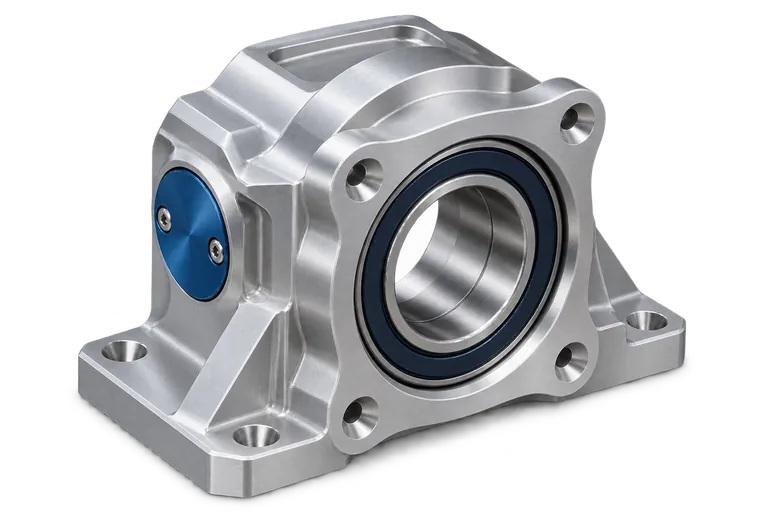
CAD & Manufacturing
Mechanical engineering models, drawings and revisions
Models and drawings connected through a traceable revision history.
48,000files
- Volume
- 180 GB
- Period
- 2008–2023
- Region
- Germany
THE DATA MARKETPLACE BY BRIDGERS
Explore data from engineering, software and everyday business. Find the kind of records your next AI project needs.
DATA FROM REAL-WORLD WORK
These nine listings and their figures are illustrative examples. You can inquire about comparable data.
CAD & Manufacturing
Models and drawings connected through a traceable revision history.

Architecture & BIM
Building models, coordinated drawing versions and their project documentation.
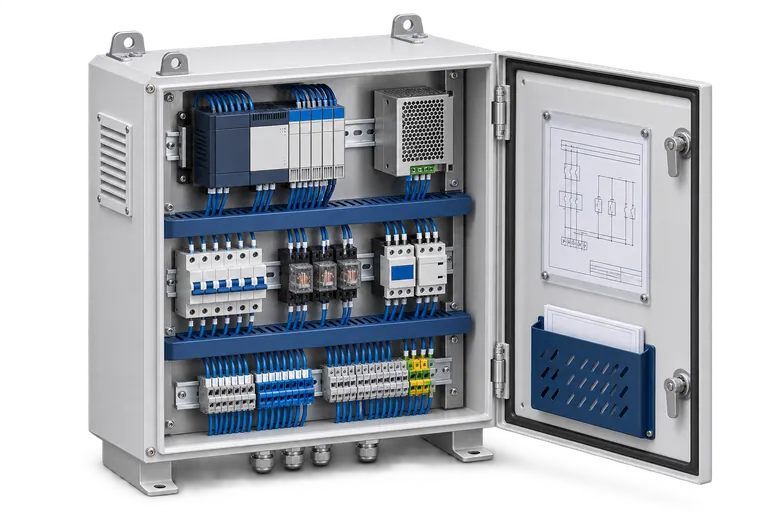
Electrical Engineering
Circuit diagrams, component lists and technical records from the same installations.
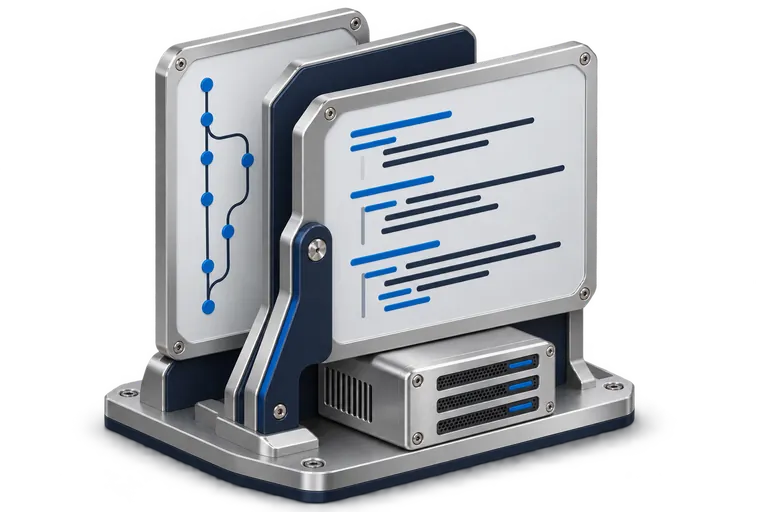
Software
Private codebases with changes, reviews and documented engineering decisions.
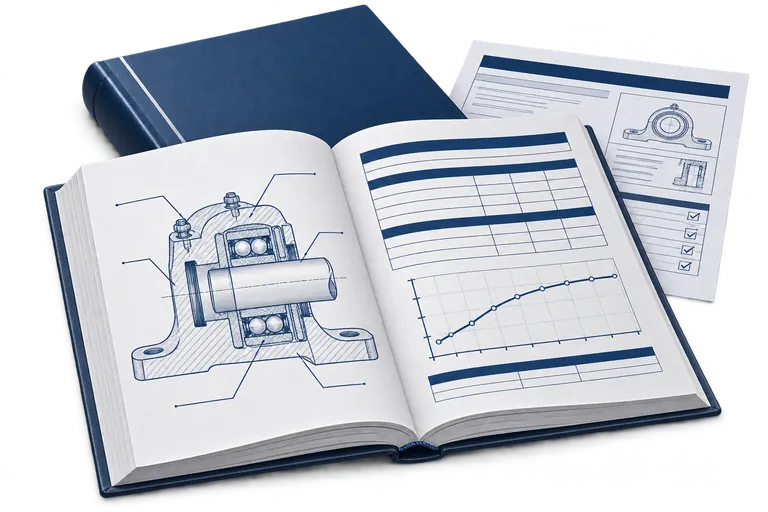
Documentation
Specifications, manuals and test reports connected by product family.
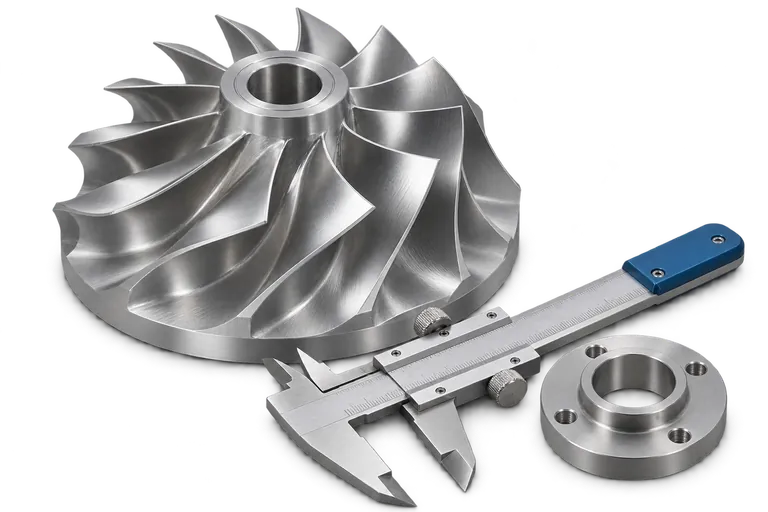
CAD & Manufacturing
Component designs linked to production information and recorded measurements.
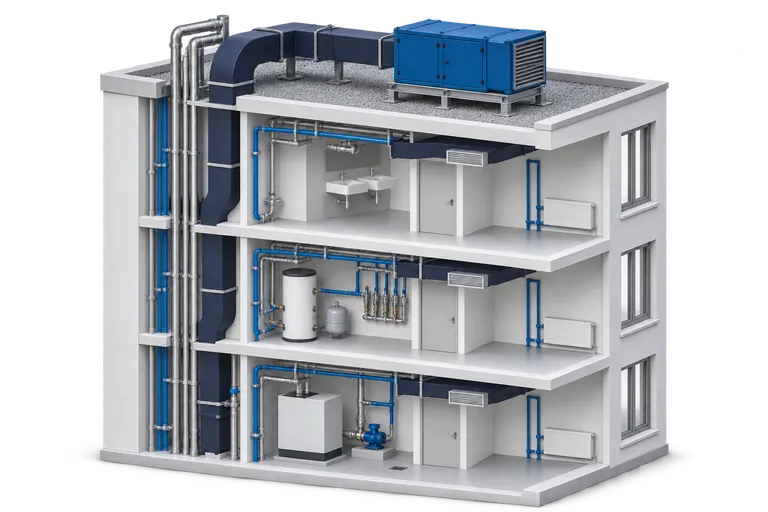
Architecture & BIM
Technical building-system designs with revisions and handover versions.
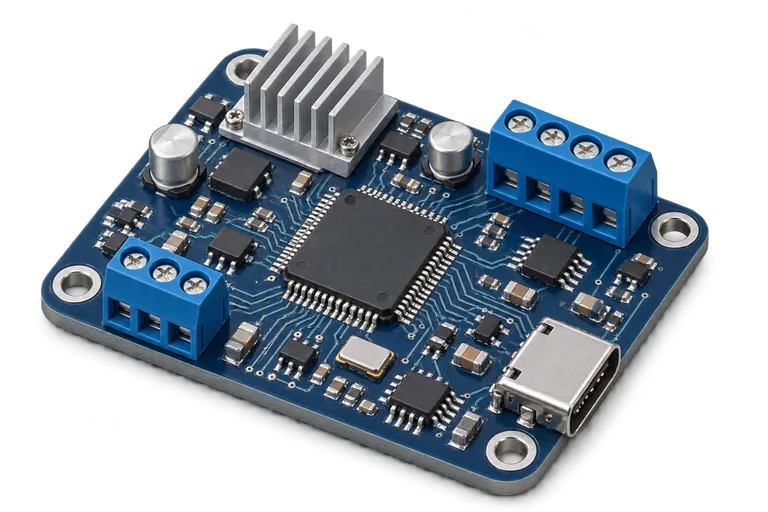
Electrical Engineering
Circuit designs, board layouts and firmware connected within each product project.
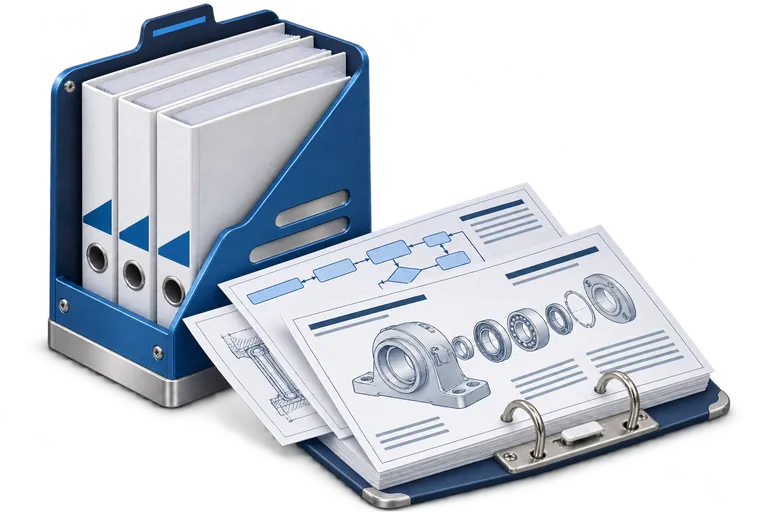
Documentation
Work instructions, project records and documented technical decisions.
Try another filter or clear your selection.
DatasetDeals example catalog BRIDGERS acts as an intermediary. Rights, preparation and licensing are agreed for each dataset.
Four stages, with a person at BRIDGERS guiding the discussion.
Describe the data, the intended use and your known requirements. This first conversation needs no raw files.
We review the metadata and work through the subject-matter and technical questions with you.
Before introductions or samples, the parties clarify authority, confidentiality and the required safeguards.
Permitted uses, scope, fees and the eventual delivery arrangements are agreed for the specific dataset.
Public listings describe datasets through metadata. Identifying the authorized party, releasing samples and agreeing usage rights are separate decisions.
Clear requirements make datasets easier to compare. These practical guides help you decide what to ask and what to check.
Separate essential requirements from preferred formats and questions still to resolve.
Open the guideEvaluate completeness, variety and project context against your own intended use.
Open the guideSet a focused test objective and meaningful acceptance criteria before reviewing a sample.
Open the guideDatasetDeals is the international English-language marketplace from BRIDGERS for exploring business data and initiating confidential discussions about possible licenses. The catalog describes archives through metadata. Inquiries are reviewed personally; the site is not an automatic file store, checkout or download service.
BRIDGERS acts between data holders and interested buyers. We initially qualify descriptions and inquiries through metadata, with a specific introduction made after approval by the entitled party. That role does not promise that every archive will be accepted, available or cleared for every proposed use.
You can describe requirements for CAD archives, BIM models, electrical schematics, private code collections or technical documentation, for example. Relationships between those records may matter too. The categories help organize a discussion; they are not a universal list of available stock or a promise to fulfill every request in a category.
The current nine entries are clearly labeled fictional examples. Their metadata and illustrations demonstrate ways to describe business archives; they do not confirm actual availability. If you need something comparable, submit your own inquiry describing the characteristics that matter.
Yes. Explain your task, the type of records and the most important requirements. You do not need a catalog reference to contact BRIDGERS. Whether a suitable next step exists is considered afterward. An inquiry on its own is not an assurance that records will be sourced or delivered to your specification.
Useful details include the data type, intended task, approximate volume with a meaningful unit, relevant formats and a time period or technical focus. Separate essential requirements from useful additions. BRIDGERS also needs the contact details identified in the inquiry form to respond personally. Information that is not yet known can remain explicitly unresolved.
No. The initial conversation uses metadata. Please do not send datasets, customer information, repository links, credentials or confidential project files. If documents are needed later, their scope, the authorized recipients and the required protections are discussed before sharing.
Yes. Explain each purpose and the corresponding requirements. Necessary separation, possible overlap and technical suitability belong in the later review. Calling something training data does not create permission for every processing activity or future use.
Start with the task and the requirements you already know. Please do not send files or confidential material.